Anchor cage & baseplate grout
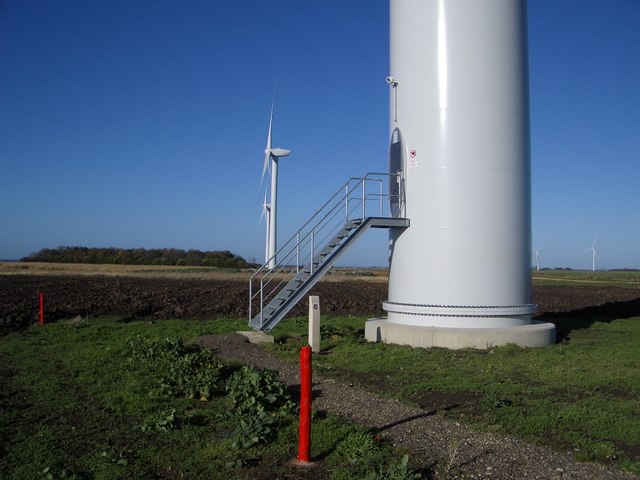
For annular gaps and load-transfer zones beneath the tower baseplate.
- High early and final strength
- Flow retention for continuous placement
- Controlled expansion and volume stability
Wind energy / Foundation systems
High-strength, non-shrink cementitious grout systems for reliable load transfer in onshore and offshore foundations. Selection is based on connection geometry, flow retention, strength, exposure and installation method.
Application routes
Use the application route to define the first product shortlist, then verify every value against the project specification.
For annular gaps and load-transfer zones beneath the tower baseplate.
For projects requiring placement planning and strength development in colder site conditions.
For demanding marine installation routes and foundation interfaces.
Recommended systems
These are separate material routes for separate installation problems. Do not substitute a standard onshore grade for offshore, suction-bucket or direct-underwater placement without project verification.
Onshore wind turbine grout
Offshore wind turbine grout
Low-density offshore grout
Specification logic
A successful wind turbine foundation grout must remain placeable through the planned installation, fill the geometry without voids, maintain volume stability and develop the specified mechanical performance under the stated test and curing conditions.
Installation framework
Calculate net volume plus contingency and continuous-pour capacity.
Record material, water, substrate and ambient conditions.
Match mixer, pump, hose diameter and standby capacity.
Use the approved water ratio, sequence and mixing time.
Maintain one-direction flow and avoid entrapped air or cold joints.
Protect exposed grout and record field tests and specimens.
Technical FAQ
A high-strength, non-shrink cementitious grout is commonly specified to create continuous load transfer between the tower baseplate and concrete foundation. The final grade should be selected from the required strength, gap, flow, temperature, fatigue exposure and installation method.
There is no single universal class. Sino-sina project systems typically cover 80–130 MPa classes, but the approved value must follow the structural design, project specification, test method and curing condition.
Not automatically. Offshore or marine exposure may require different flow retention, durability, installation planning and quality-control criteria. Select the system against the actual foundation type and exposure conditions.
Provide foundation type, grout gap and volume, specified standards, compressive-strength ages, flow or spread requirement, ambient temperature, placement distance, mixing and pumping equipment, curing plan and project location.
Specification review
Include foundation type, grout gap and volume, strength ages, flow requirement, temperature, standards and placement equipment.